
Q & A with the XB-F1 designers
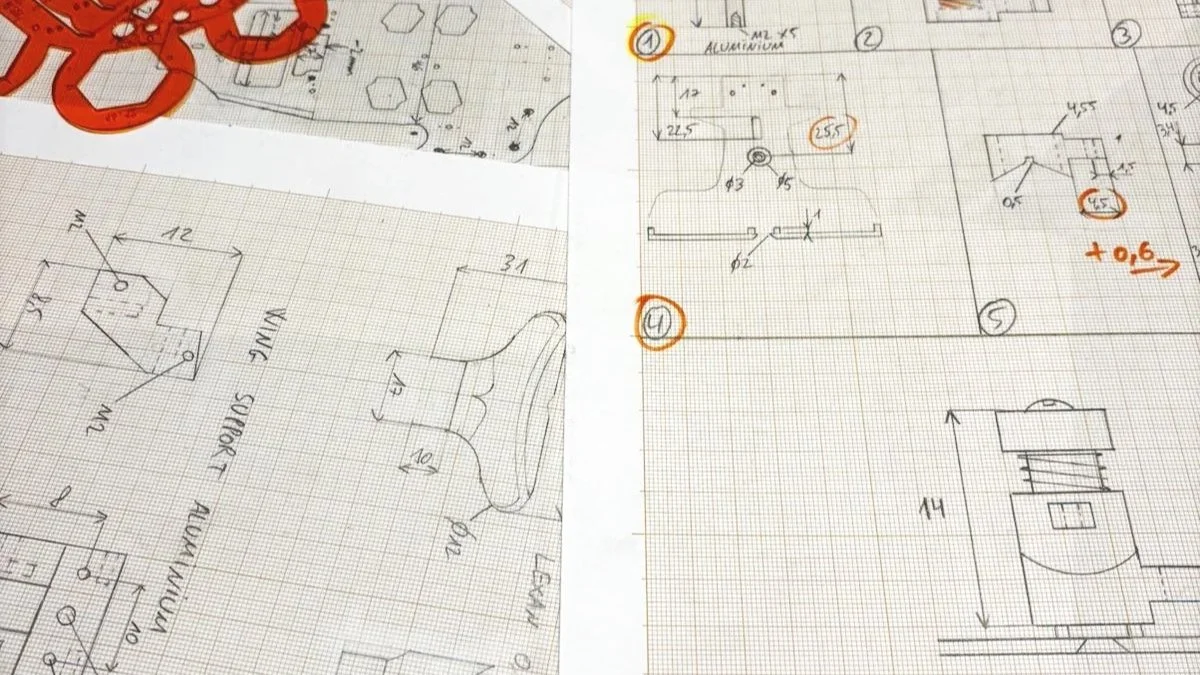

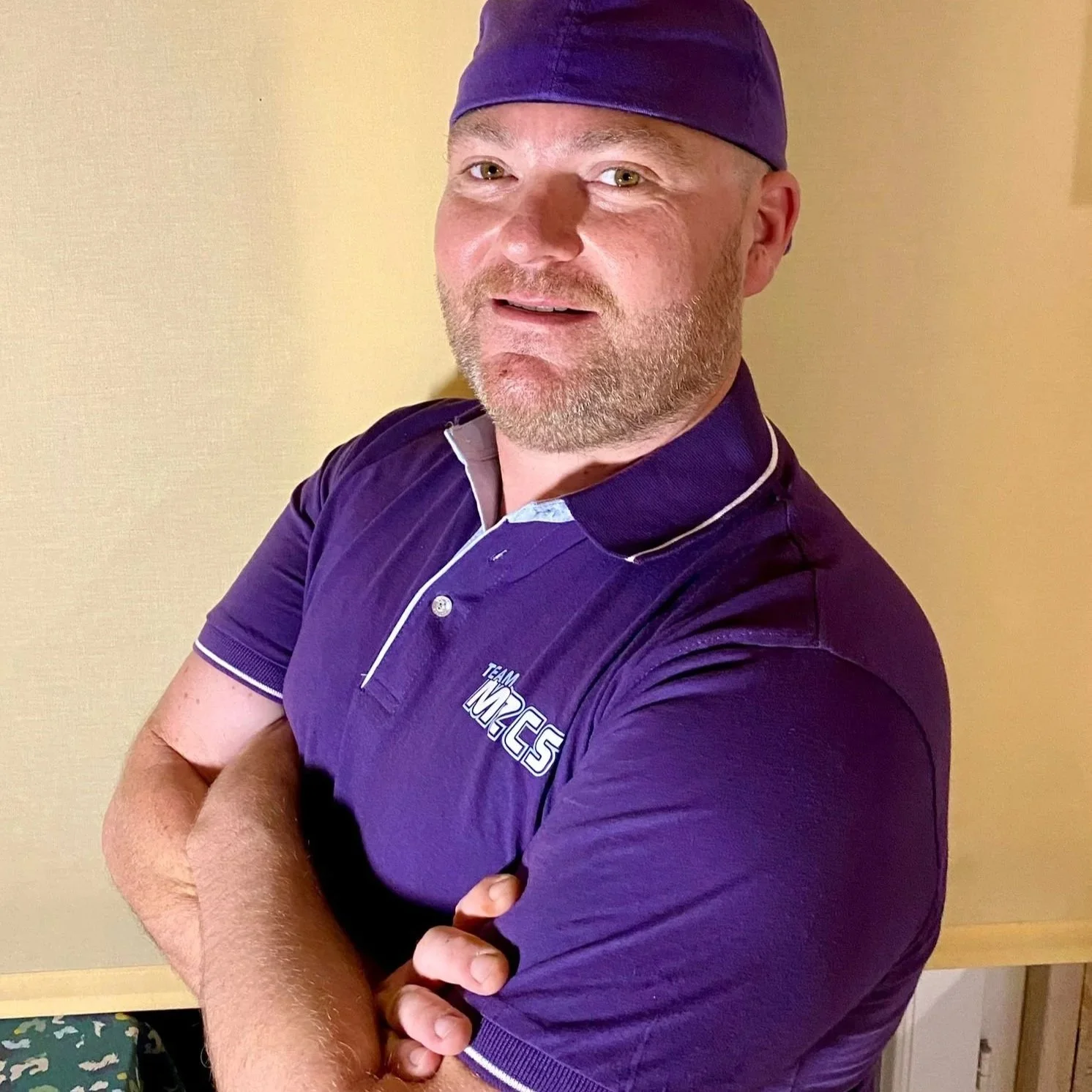
I had a moment to catch up with the leading designers of the new XB-F1 kit, José P and Antoine Verdan. As a member of the testing team I can say with certainty they really want to get this release right! While it might have sacrificed time, I think most will appreciate the level of thought and care José, Antoine, and the rest of the team put into this released.
1.) What design element are you most excited about the XB-F1?
Antoine Verdan: I’m very happy to have been able to join José on this new adventure. I was able to incorporate into this kit the experience I’ve gained throughout my learning in Formula 1 across all scales. I think what excites me most is the machined carbon chassis. It’s the perfect balance between flexibility and strength. It also demonstrates what can be created by sharing skills including José's skills and experience in RC, especially 1/8 scale track. The company's expertise, which isn't afraid to think outside the box to bring our ideas to life. The skills I've gained from my many years of experience in 1/1 scale rally and 1/10 scale touring cars.
José P: Every part of the car plays an important role in overall performance, but the elements that stand out the most are the adjustable front and rear wings, the machined carbon chassis, and the robust, precise servo saver. Together, these components define the car’s balance, responsiveness, and durability on track.
2.) How is the XB-F1 kit innovating the 1/28th F1 industry?
Antoine Verdan: This kit is particularly innovative due to its weight: 140g, as required by the PNWC rules, ready to run. Adding weight to a chassis is a way to compensate for a problem that can be circumvented with appropriate adjustments. A Formula 1 car is a high-tech vehicle that must be powerful but also light, with downforce subtly taking care of the rest. Challenge accomplished!
José P: As with the XB1, the ability to widen or narrow the front track width represents a significant step forward in the 1/28 scale, offering a level of tuning flexibility rarely seen in this category. Adjustable front and rear wings and a fully machined chassis further set this kit apart. A defining innovation is the full-width chassis layout, where rear damping is integrated directly into the chassis structure, simplifying the suspension system while improving consistency, feedback, and overall mechanical efficiency.
3.) What surprised you the most during the design process?
Antoine Verdan & José P: The surprise was its extremely stable handling, so much so that we were able to significantly increase the motor power: 6500kv… so that José could get close to his lap times with the Pancar. It’s smooth, precise, and incredibly stable.
4.) How long have you been working on this project?
Antoine Verdan: I joined the project at the beginning of October. The main outlines were already written, but as the saying goes, everything is in the details… we were able to finalize the project together.
José P: The project has been in development for approximately six months, covering multiple design, prototyping, and testing phases to ensure performance, reliability, and consistency.
5.) What was the hardest part of the design work?
Antoine Verdan: The most complicated aspect for me was making Formula 1 accessible to everyone. Until now, the F1 category was tricky to set up, fragile because it was poorly protected by its front wing, with a lot of steering failure problems. My challenge was to completely redefine the front wing. Admittedly less visually appealing than a detailed 3D print and all the problems that come with it, it’s the only protection! It’s adapted to our discipline. It’s designed to be robust, adjustable for internal and external downforce, and it utilizes RCP Sides. It can even be mounted semi-rigidly using silent blocks. I designed the front wing for competition use; it's completely fixed and performs extremely well. However, I also know that repeated impacts can damage certain parts. Therefore, I've planned for the possibility of replacing two of the carbon blade's mounting bushings with O-rings, making it flexible with a pivot.
Additionally, a tremendous amount of work went into the servo saver, involving many hours of development and rigorous testing. The XB-F1 underwent extensive testing by children from the club who served as my crash test pilots! Test passed!
José P: The most challenging aspects were the development of the chassis and the servo saver, as both components are critical to performance, precision, and durability and required extensive refinement to achieve the right balance.